xSPECTRE
Loading
Getting the page ready.
xSPECTRE blog
Practical guidance for finding, prioritising, and remediating security exposure.
30 articles

ClickFix persuades the user to execute the command, so awareness and execution controls must cover the gap that patching cannot.
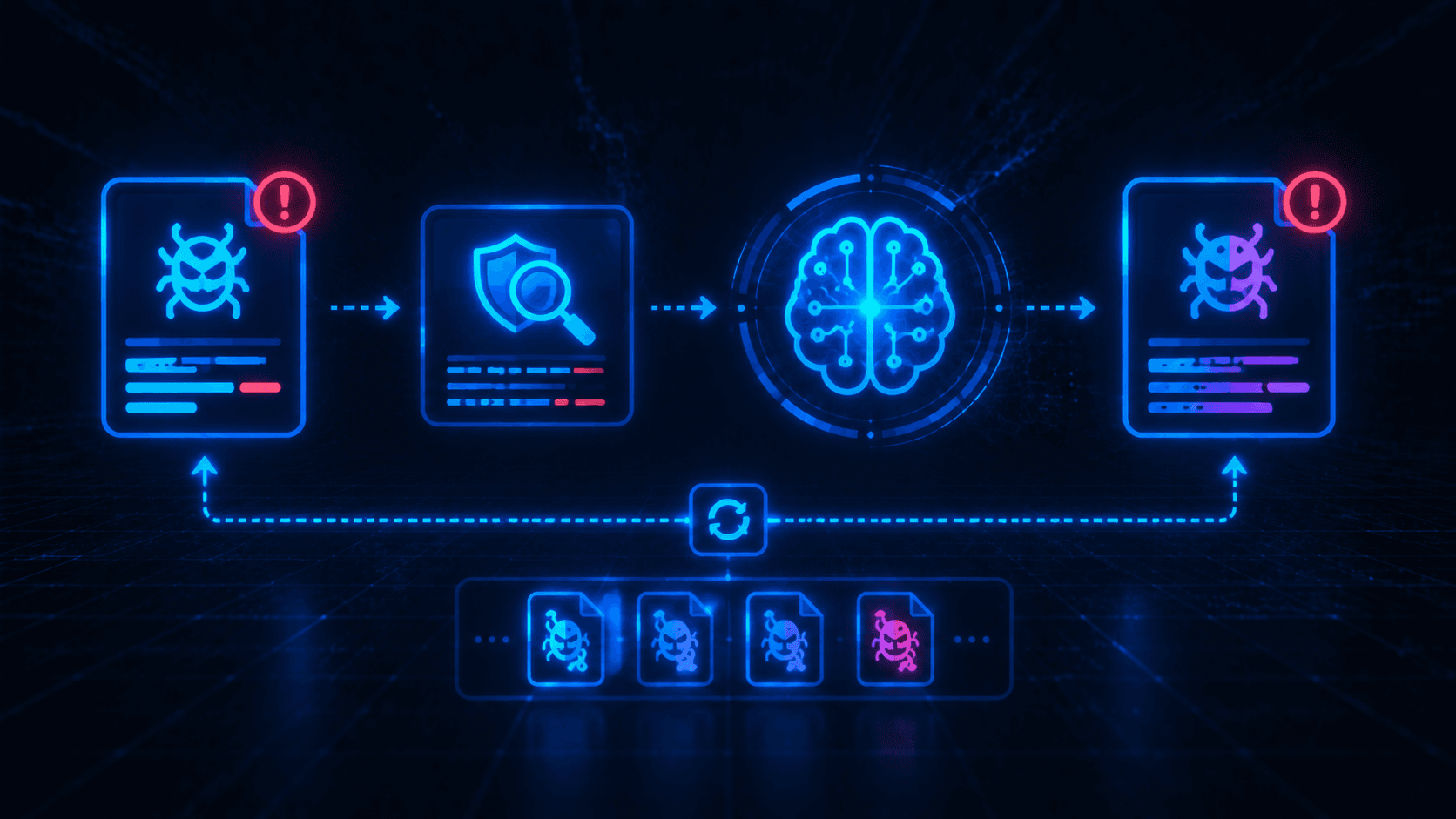
AI-assisted malware adaptation challenges static signatures. Detection must focus on behaviour, identity and containment.

Compromise of a central firewall manager can expose policy, credentials and topology across an entire fleet.

Generative AI is reducing the labour and tooling barriers that once limited advanced attacks. Readiness cannot depend on attacker skill scarcity.

Modern work happens inside the browser, and attackers increasingly target browser profiles, extensions and authenticated sessions.

Attackers can use voice phishing and token theft rather than breaking MFA. Reset procedures require strong independent identity verification.

AI risk often concentrates among power users who connect unapproved tools to real workflows. Governance should identify dependency and data flow.

AI-assisted attackers can combine old vulnerabilities with kernel-level techniques that interfere with security visibility.

Rapid exploitation of management-plane vulnerabilities shows why critical infrastructure needs accelerated patching and off-platform logging.

Attackers may no longer need to replay a password or cookie if they can operate an already-authenticated browser session.